


Valid on all products, including the first subscription order. We haven’t found published human studies comparing doses head to head. If skin reacts to a copper peptide product — look at the formula, the dose and what you’re layering it with. The human evidence is four small topical studies, the largest 71 women over 12 weeks, all positive. The best active is the one you’re still using in six months.
A rising discussion in preventive wellness and primary care includes peptide therapies, particularly copper-based compounds like GHK-Cu. If you’ve been looking for authentic data regarding the performance of this ingredient, you might be weary of ambiguous marketing assertions. You can adjust the settings saved to this browser at any point. Non-FDA-approved for skin or anti-aging applications, injectable peptides pose a greater risk.
GHK-Cu speeds the growth of fibroblasts from patients treated with radiation.16 Treated fibroblasts make more MMP-2, an enzyme that breaks down collagen, and more of its inhibitors.14 04We found no study of copper peptides on stretch marks, and the FDA flags compounded injectable GHK-Cu for a possible immune reaction risk.9,10 We make the MicroInfuser and the Syntha-Pep serum discussed near the end, which lists GHK-Cu among its actives. What that research shows in cells and in people (how well the copper peptide gets into skin), what the FDA has said about injections, and an honest before and after timeline. Mao S (Huang J), Li J, Sun F, Zhang Q, Cheng Q, Zeng W, Lei D, Wang S and Yao J (2025) Exploring the beneficial effects of GHK-Cu on an experimental model of colitis and the underlying mechanisms.
These findings are promising enough to watch, but they don’t justify treating GHK-Cu as a cognitive therapy in the absence of human trial data. A 2019 study published in ACS Chemical Neuroscience showed GHK-Cu reduced cognitive decline markers in aging rats and appeared to counteract some features of Alzheimer’s-related pathology in cell models. This is where GHK-Cu gets genuinely interesting for longevity researchers, and where the evidence is most preliminary.
Defense Against Antioxidants
The study aims to enroll 60 individuals, measuring the time required for re-epithelialization, the skin’s regeneration process over a wound, as its main objective. Researchers have been intrigued by GHK-Cu’s involvement in wound healing beyond its cosmetic applications. With decades of research to support them (retinoids remain a well-recognized option), while vitamin C boasts significant antioxidant advantages of its own. Improvement was observed in 70 percent of participants using GHK-Cu, compared to 50 percent for vitamin C and 40 percent for retinoic acid. While these figures are significant, it’s essential to consider that studies on skincare frequently include limited sample sizes and brief durations.

Mechanisms of Action of GHK-Cu Peptide
GHK-Cu is a naturally occurring peptide your body makes, and one that declines by roughly 60% between your 20s and 60s.

But compared to most peptides in this space — GHK-Cu stands on considerably firmer ground. BPC-157 is primarily studied for deep tissue repair , tendons, gut, nerves, but has no human trial data, is not FDA-approved, and FDA has raised safety concerns about compounding it. The molecule is endogenous and the copper content per dose is far below toxic thresholds.
One of the main protective mechanisms is apoptosis or programmed cell death. The increase in , relative risk, between the highest and lowest fibrinogen levels was 301% for men and 342% for women (CVD death) and 259% for men and 220% for women (death from any cause) . The Scottish Heart Health Study followed 10,359 men and women for 2 years — and fibrinogen was the single most powerful risk factor for CVD risk or death and more predictive than lipoprotein cholesterol.
That study reported a 55 percent reduction in wrinkle appearance among participants using GHK-Cu compared with a placebo group. A separate 12-week trial focused on periorbital wrinkles, meaning the fine lines around the eyes. The strongest human evidence for GHK-Cu comes from cosmetic and dermatologic studies. According to a detailed review published on PMC’s research database — GHK-Cu may influence gene expression tied to tissue repair and inflammation control. Levels of this peptide decline as we age — which has led researchers to study whether replacing it topically can support skin repair and tissue health.
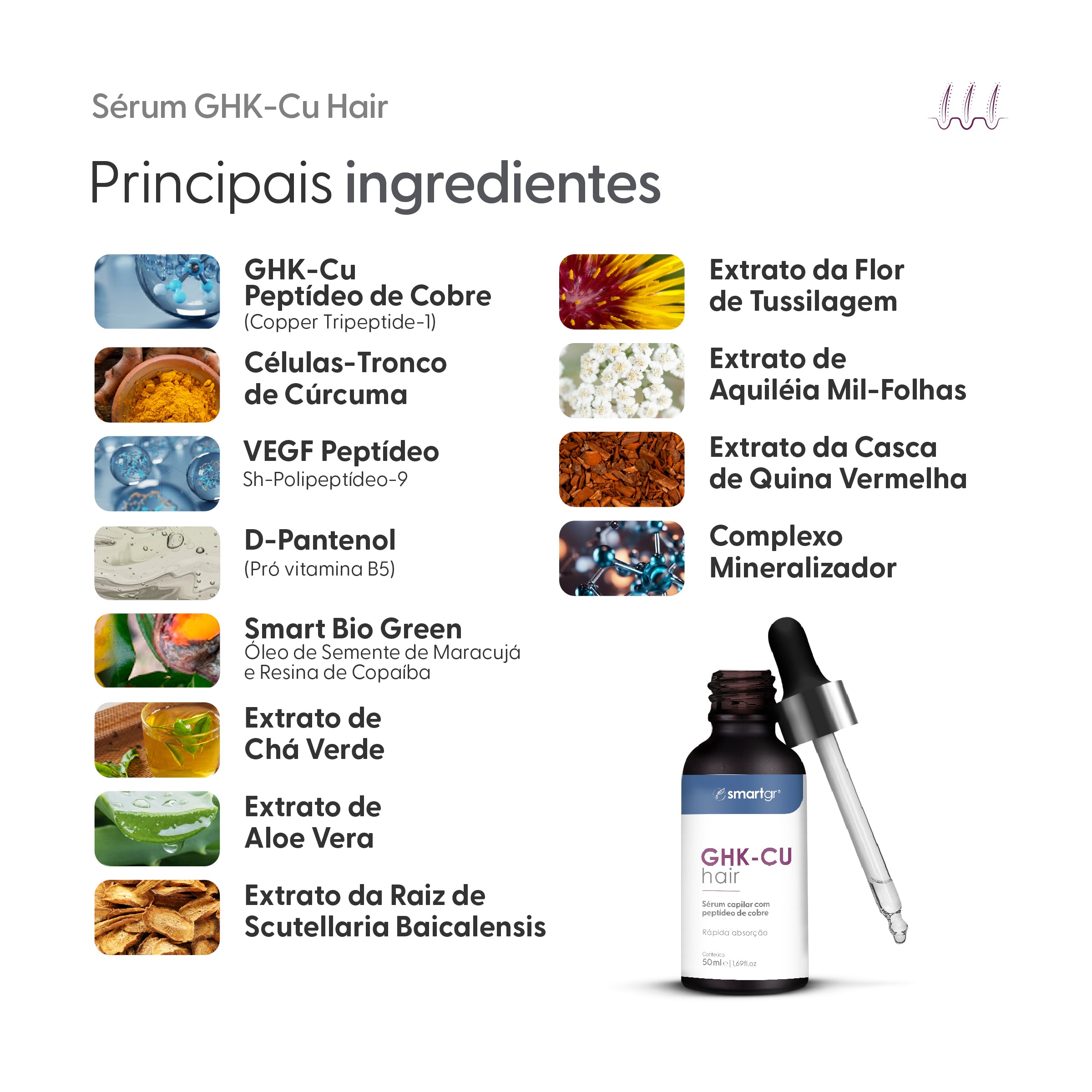
Topical GHK-Cu increased follicle cell proliferation markers by 70% compared to controls. GHK-Cu takes a different approach by enlarging the hair follicle itself and extending the active growth phase. This makes it one of the most thoroughly studied wound-healing peptides in dermatology. Finkley et al. confirmed these findings, demonstrating that GHK-Cu stimulated both type I and type III collagen production in human fibroblast cultures at concentrations as low as 1 micromolar.
And what researchers have found when they look at what this peptide actually does goes well beyond collagen production. If you’ve spent any time in the biohacking corners of the internet, you’ve probably seen GHK-Cu show up in a serum ad or a before-and-after thread. Quality variability in the unregulated peptide market is the biggest practical risk most people face. Treat hair claims cautiously and consult a provider. People with copper-metabolism disorders such as Wilson’s disease should be cautious, and injectable or compounded GHK-Cu carries added risks because long-term human safety data are limited.
It withdraws the safety-risk designation; it does not place the substance on the 503A bulk drug substances list, and it does not make it an approved drug. Cosmetics are permitted to make appearance-related claims (such as improving the look of skin), but not to claim that they treat or cure a disease. As a topical cosmetic ingredient, GHK-Cu is well established and is regulated under the rules that apply to cosmetics rather than to drugs. The honest clinical sentence is that topical evidence is comparatively strong, while injectable use is mechanistically interesting but lacks the trial confirmation and approval status that would make it an established treatment. Marketing or anecdote that treats injectable copper peptides as an established therapy gets ahead of the evidence.
GHK-Cu is a naturally occurring copper-binding tripeptide that acts as a signaling molecule in tissue repair. The marketing claims have grown faster than the evidence supports. In small cosmetic studies, copper peptide products improved skin elasticity, density and fine lines. Almost all of the human evidence is for topical use, while FDA has flagged possible immune reactions with compounded injectable GHK-Cu and says human safety data is limited. Small cosmetic studies suggest topical products may improve skin firmness and fine lines, but large controlled human trials are missing. For GHK-Cu specifically (that conversation is the right place to ask about route and realistic expectations), because the topical evidence and the injectable claims are not the same thing, and results vary.
Given the copper pathways implicated, users with pre-existing copper overload, Wilson disease, or severe liver disease may be at increased risk and should avoid use. Systemic side effects are rare at low doses, with transient nausea or mild headache reported infrequently. Animal studies indicate dose-dependent effects (with toxic doses possibly affecting copper metabolism or interacting with embryonic development in hypersensitive models), warranting caution during pregnancy. Clinical reports note mild local reactions for topical application and rare systemic adverse events at low doses. Long-term systemic use is concerning for copper balance, as copper deficiency has been linked to neurodegenerative disorders and even excess copper is risky.
Repair of Tissues and Healing of Wounds (Most Compelling Evidence)
Disturbances in iron metabolism contribute to many pathological conditions, including brain damage and neuron death under various neurological conditions. At initial stages of tissue repair, GHK and other peptides containing the GHK sequence , such as KGHK,, which are released from SPARC in the course of proteolysis, stimulate new vessels growth. GHK-Cu at 0.01, 1 and 100 nM incubated with human adult dermal fibroblasts increased production of elastin and collagen.
